

big light up mirror
Understanding the 8% Butterfly Valve Function and Importance in Fluid Control Butterfly valves are essential components in various industrial applications, servicing a multitude of sectors, including water treatment, chemical processing, and HVAC systems. Among the various designs and specifications of butterfly valves, the term 8% butterfly valve often refers to a specific torque requirement or capacity in operational functionality. Understanding the intricacies of such valves can significantly enhance efficiency and reliability in fluid control systems. What is a Butterfly Valve? A butterfly valve is a quarter-turn valve that uses a rotating disc to control the flow of fluid. The disc is mounted on a shaft, and when the valve is turned 90 degrees, the disc either opens or closes the flow path. This mechanism allows for quick operation and makes butterfly valves an ideal choice in applications where space is limited and efficiency is crucial. The Significance of the 8% Capacity The term 8% butterfly valve pertains to a design specification that indicates the valve’s ability to handle certain flow rates or pressures effectively. This percentage often relates to the percentage of the maximum flow capacity that can be controlled or regulated by the valve without incurring excessive cavitation or loss of pressure. For instance, if a valve is rated for a maximum flow capacity and is optimized for 8% control performance, it means that it can manage flow rates that are 8% of its full capacity under specific conditions. The 8% butterfly valve is particularly useful in applications where precise control of large volumes is necessary. Industries that require regulation of fluids in variable conditions, such as power plants, food processing units, and oil and gas operations, benefit from such valves. The proportionate arrangement enhances performance while ensuring the system operates smoothly within established parameters. Key Benefits of 8% Butterfly Valves 8 butterfly valve 1. Efficient Flow Control One of the primary benefits of an 8% butterfly valve is its capability to control large volumes of fluid efficiently. The quick, quarter-turn operation reduces the time required to open or close the valve, simultaneously optimizing flow rates. 2. Compact Design Butterfly valves are known for their compact construction, making them easier to install and maintain compared to larger valve types. This compactness is a vast advantage in systems with limited space. 3. Durability and Reliability The design of the 8% butterfly valve ensures robust performance over time. These valves are built to withstand various pressure conditions, enhancing their reliability in critical operations. 4. Cost-Effectiveness Given their efficient operation and long lifespan, 8% butterfly valves can be a cost-effective solution for industries looking to minimize operational costs while maintaining high standards of fluid control. Applications of 8% Butterfly Valves The versatility of 8% butterfly valves allows their use across numerous sectors. In water treatment facilities, these valves regulate the flow of water and chemicals essential in purification processes. In the oil and gas industry, they manage the flow of hydrocarbons, ensuring safety and efficiency. Moreover, HVAC systems utilize butterfly valves to maintain air and water flow in heating and cooling systems. Conclusion In conclusion, the 8% butterfly valve plays a vital role in modern fluid control systems. Its design fosters efficient operation, durability, and cost-effectiveness, making it integral to many industrial processes. As industries continue to evolve and demand higher efficiency and reliability, understanding and implementing the appropriate specifications of valves like the 8% butterfly valve becomes increasingly essential. By leveraging such technology, businesses can enhance their operational standards while ensuring safe and effective fluid management.
about
big light up mirror
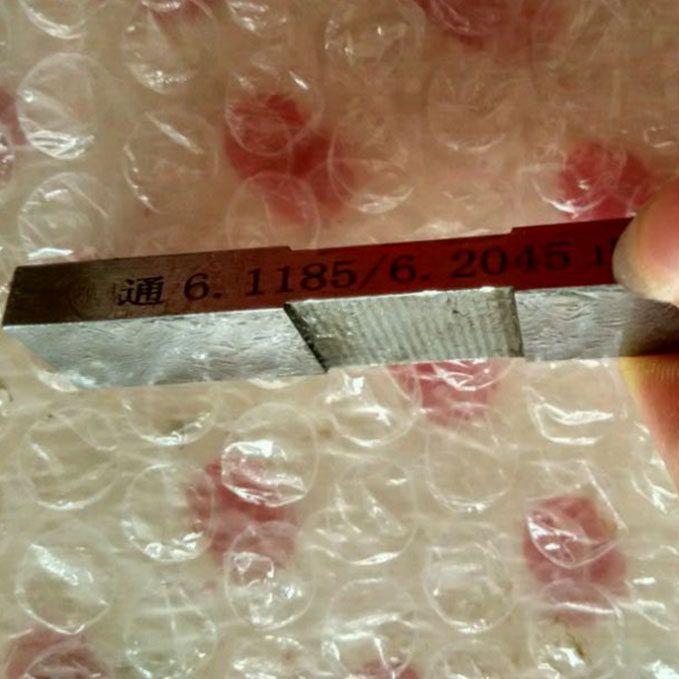
Understanding the Cylinder Gauge A Comprehensive Overview In the world of engineering and manufacturing, precision is paramount. One of the essential tools that help ensure this precision is the cylinder gauge, a device specifically designed to measure the dimensions and characteristics of cylindrical objects. This article delves into the fundamental aspects of cylinder gauges, including their types, applications, and significance in various industries. What is a Cylinder Gauge? A cylinder gauge, often referred to as a cylinder measuring tool, is an instrument used for measuring the internal or external diameters of cylindrical objects. These gauges come in various forms, including mechanical and digital variants, each serving a specific purpose based on the required precision and the environment in which they're used. Types of Cylinder Gauges 1. Mechanical Cylinder Gauges These are the traditional gauges, often made from steel and equipped with dial indicators or scales. They are durable and do not require batteries or electricity, making them ideal for use in various settings, including workshops and outdoor environments. Mechanical cylinder gauges help in quick assessments but may require a keen eye for accuracy. 2. Digital Cylinder Gauges With advancements in technology, digital cylinder gauges have gained popularity. These gauges feature electronic readouts that provide precise measurements at the push of a button. They often incorporate data processing capabilities, allowing for the recording and analysis of measurements over time. This makes them highly valuable in research and quality control applications. 3. Specialized Cylinder Gauges Some industries require specific measurements that standard gauges cannot provide. In these cases, specialized cylinder gauges are designed. For instance, gauges that measure the alignment or roundness of cylindrical parts, or those specifically tuned to check the tolerances of high-precision components in aerospace applications. Applications of Cylinder Gauges Cylinder gauges are versatile instruments that find application across various industries, including alat ukur cylinder gauge - Manufacturing In manufacturing settings, ensuring the precise dimensions of components is crucial. Cylinder gauges help in quality control processes, ensuring that parts meet specified tolerances before moving to assembly. - Automotive Industry The automotive sector often employs cylinder gauges to measure engine components, ensuring the optimal fit and performance of parts. Accuracy in this sector translates to better engine performance and safety. - Aerospace Engineering Given the critical nature of aerospace components, cylinder gauges are indispensable. They ensure that every cylindrical part meets stringent safety and performance regulations, which can ultimately save lives. - Construction In construction, cylinder gauges are often used to measure the diameter of pipes and fittings. This ensures that all components fit together seamlessly in complex systems. Importance of Cylinder Gauges The significance of cylinder gauges cannot be overstated. Their role in ensuring precision contributes directly to the reliability and safety of the final products. In complex systems like aircraft or automobiles, even the smallest measurement inaccuracies can lead to significant issues. Moreover, cylinder gauges enhance productivity. By providing quick and accurate measurements, they reduce the time spent on inspections and corrections. This efficiency is vital in fast-paced industrial environments where time is money. Conclusion In summary, cylinder gauges are critical tools in many industries that rely on precision measurement of cylindrical components. Whether mechanical or digital, these instruments play a pivotal role in quality control, ensuring that products meet the necessary specifications for safety and functionality. As technology continues to advance, the capabilities of cylinder gauges will likely expand, leading to even greater accuracy and efficiency in measurements. Understanding and utilizing these tools effectively can significantly impact the success of projects in engineering, manufacturing, and beyond.
-

High quality industrial productsagement

High quality industrial products
View Details -

Meet the diverse needs of customers

Meet the diverse needs of customers
View Details -

Strict quality control

Strict quality control
View Details -

Top raw materials

Top raw materials
View Details -

Trusted supplier

Trusted supplier
View Details
Our application


news and information
V-Block Technology Revolutionizing Manufacturing Precision and Efficiency
The Paradox of V Block V Block Navigating the Dual Realities of Virtual and Physical Worlds In the
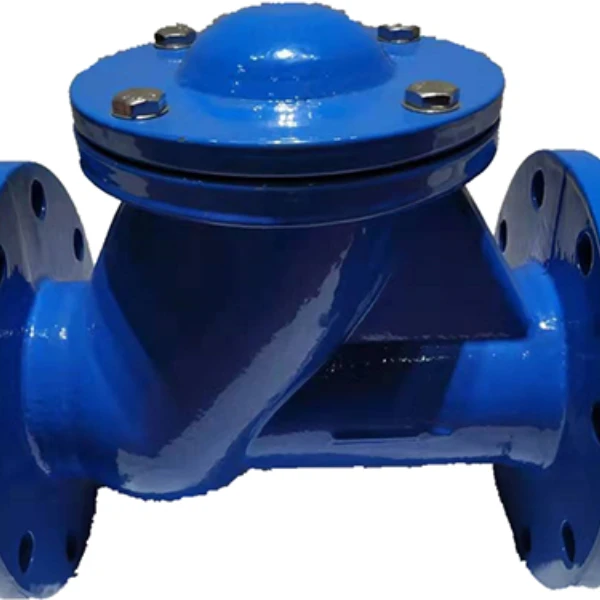
Valvola a ghigliottina 3 4 - Valvole di alta qualità per applicazioni industriali
Titolo La Valvola a Fune del 3% e del 4% Un Approfondimento sulle Valvole più Utilizzate . Ma cosa r
water valves
Understanding Water Valves Essential Components in Fluid Control Water valves are critical component
 English